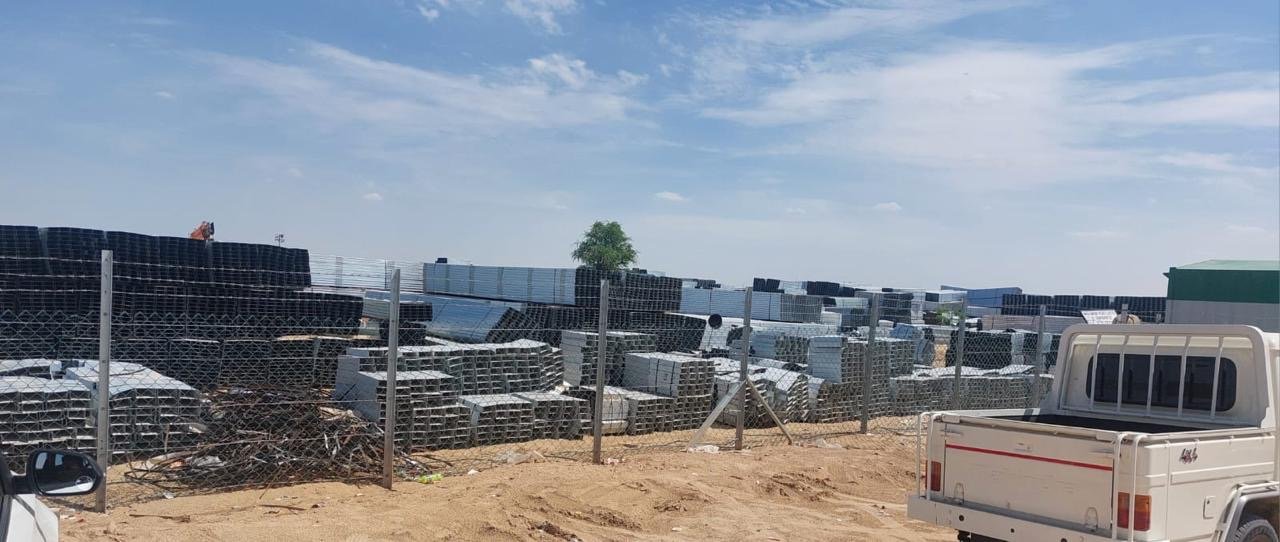
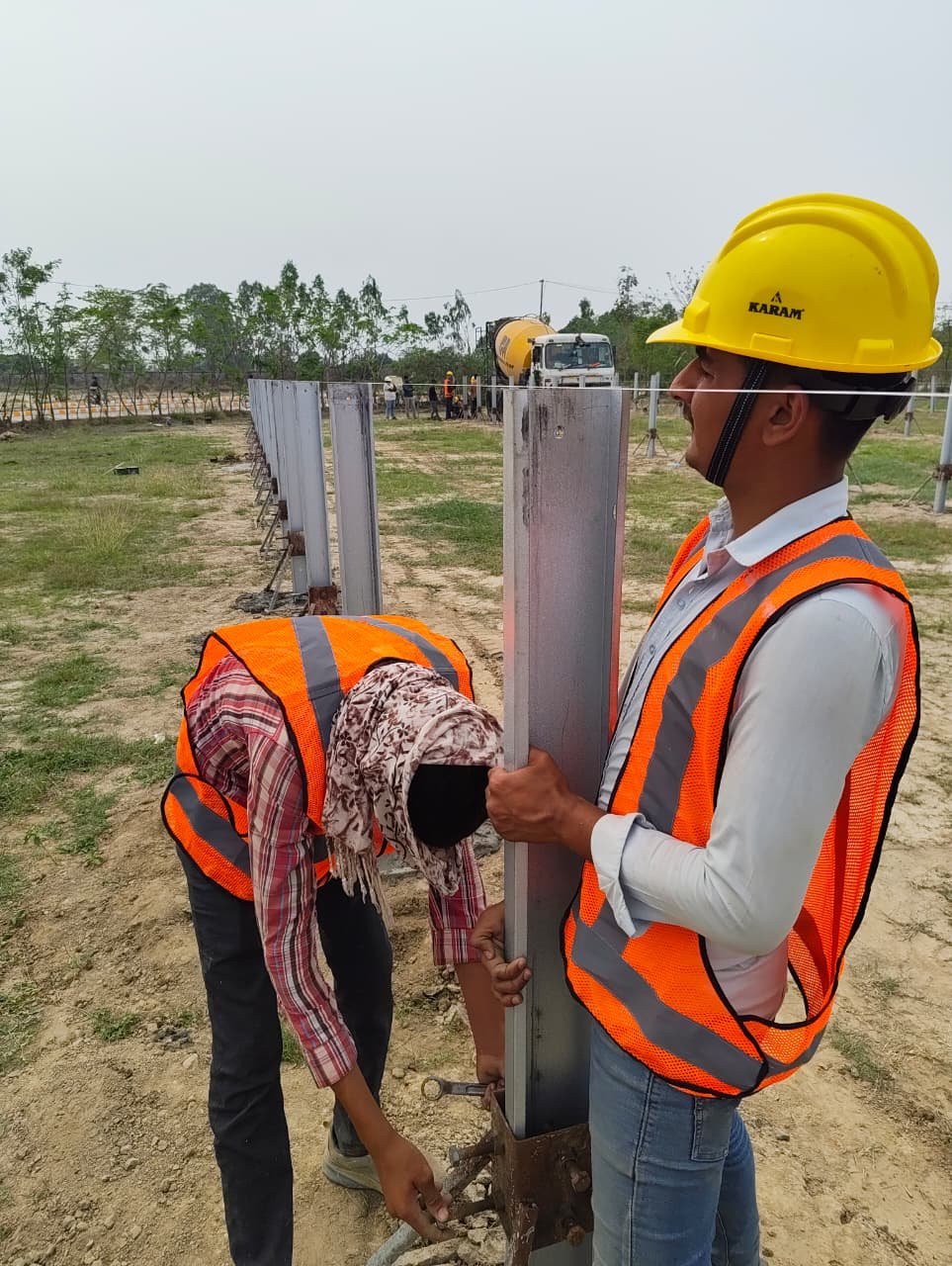
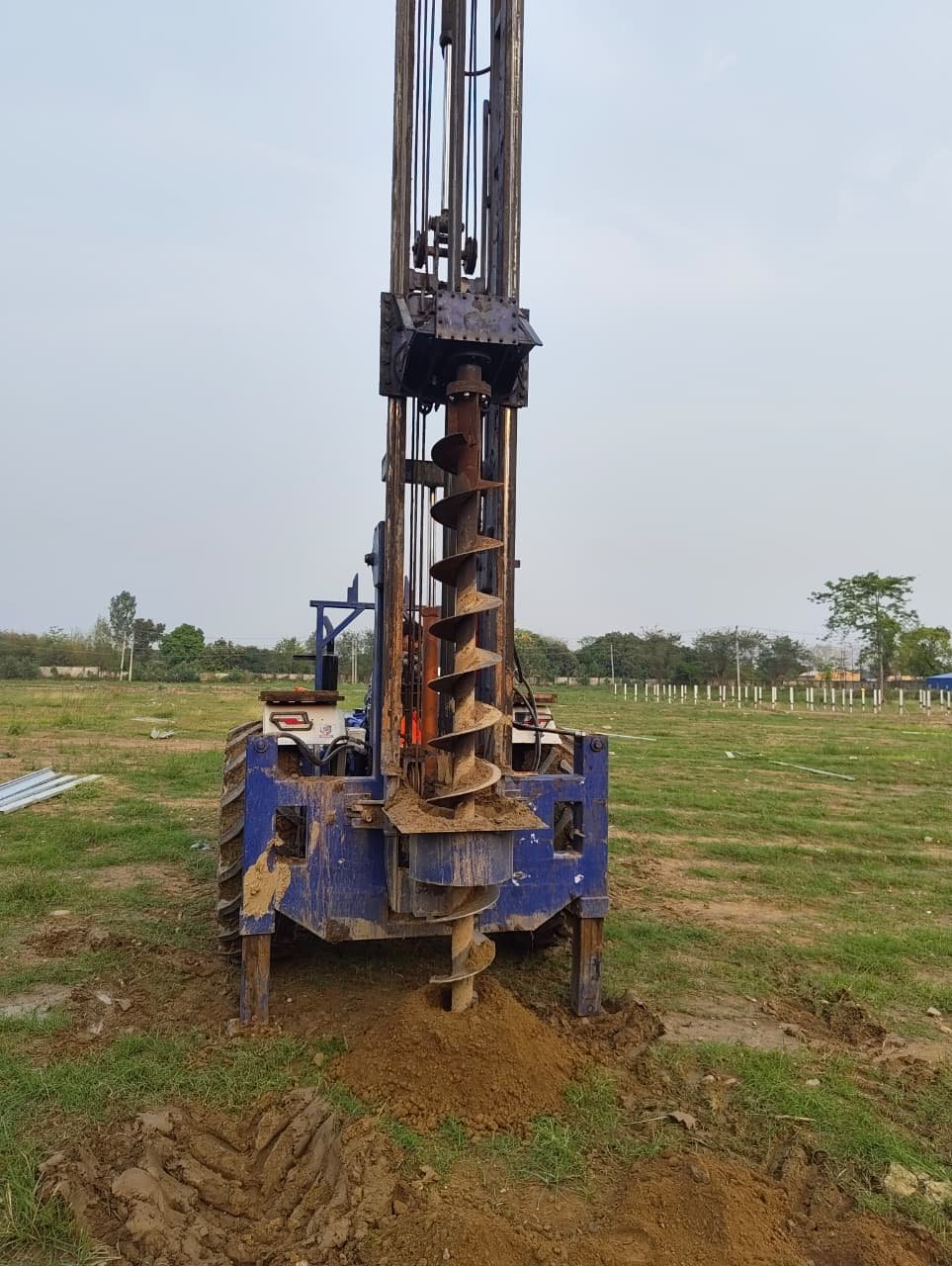
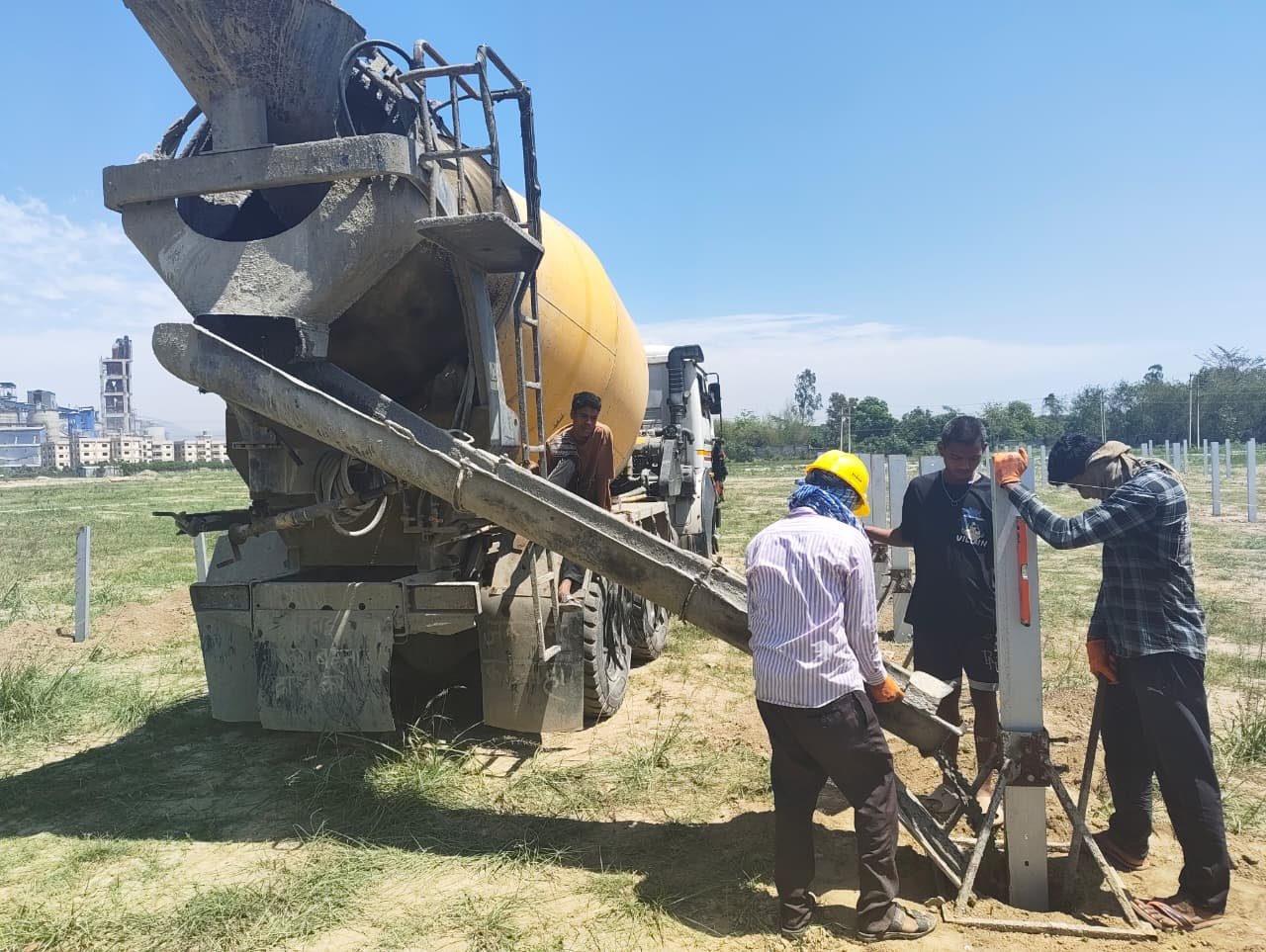
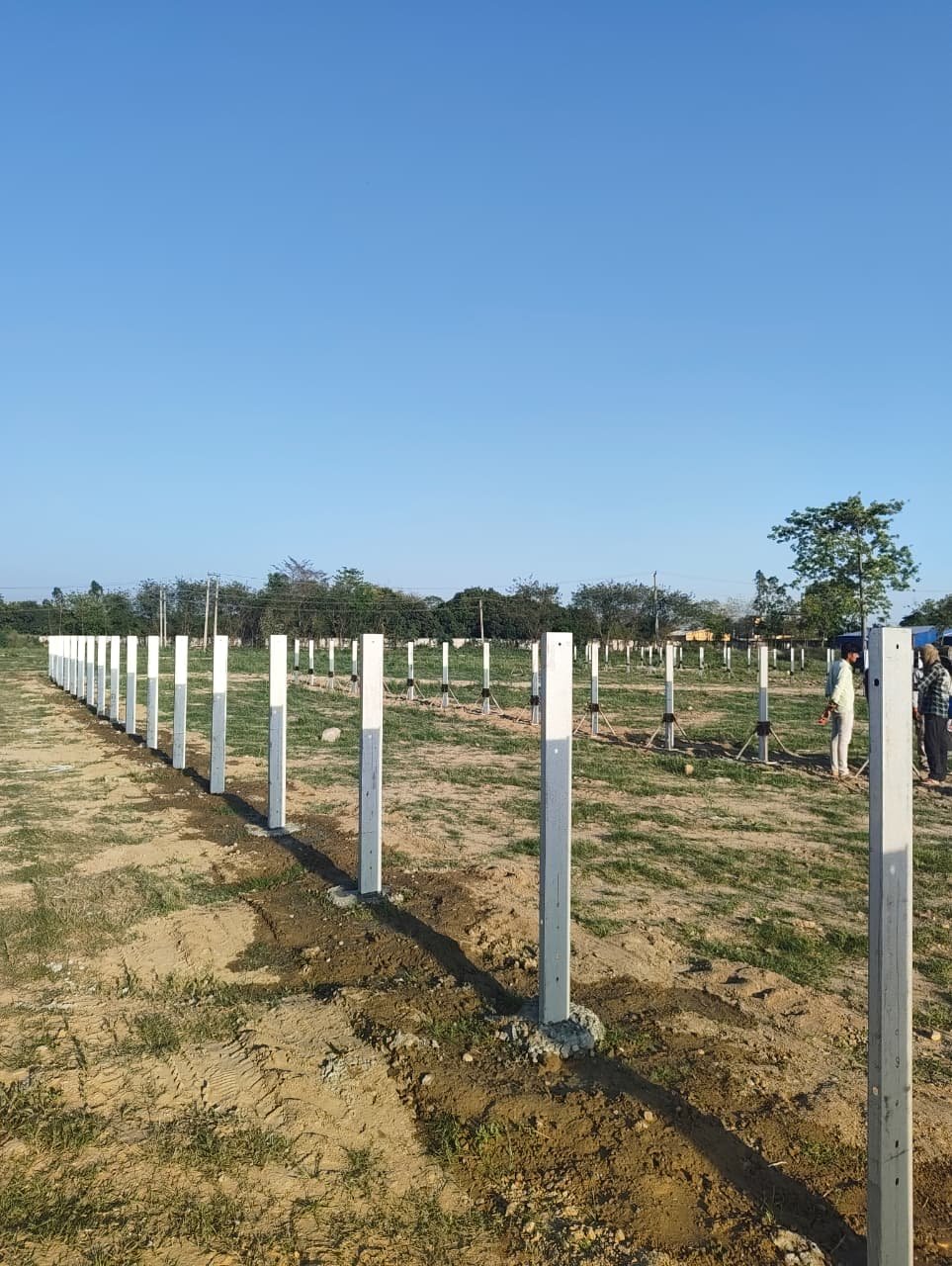
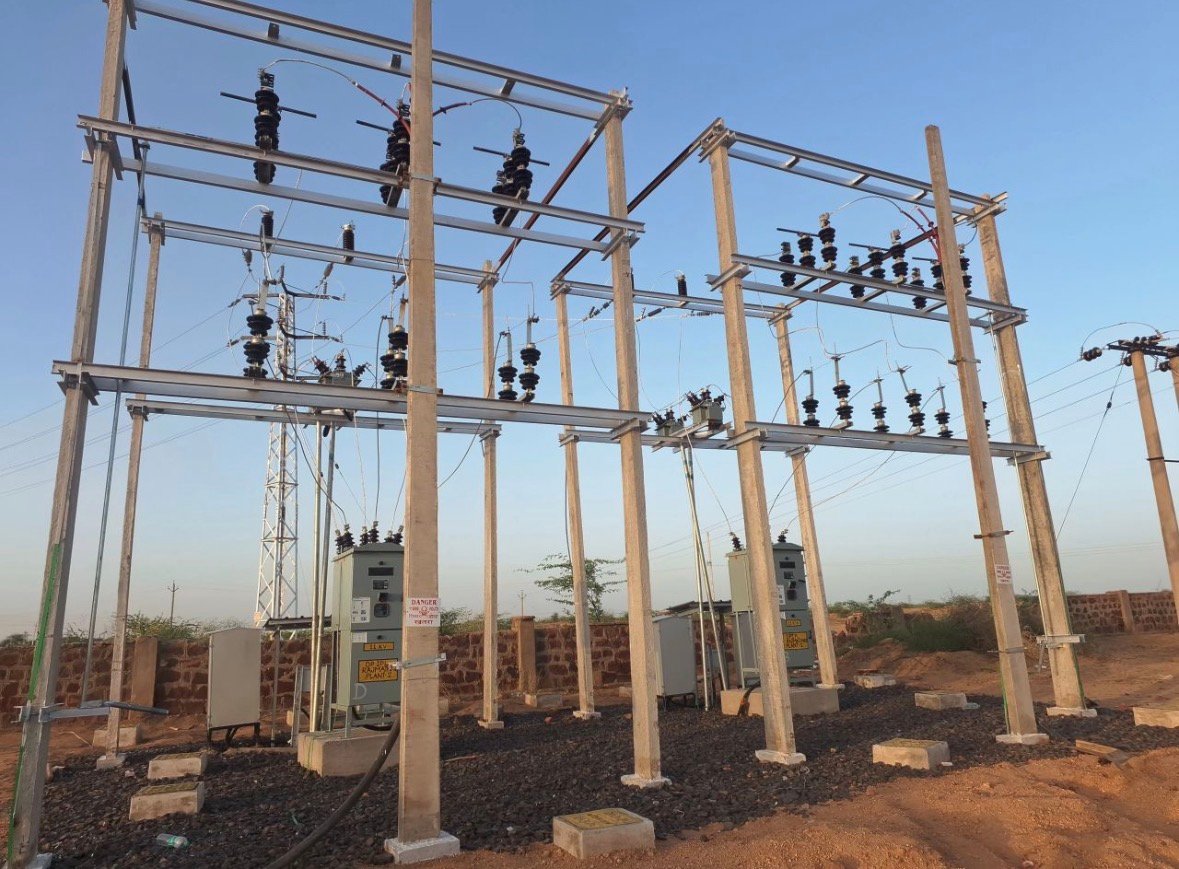
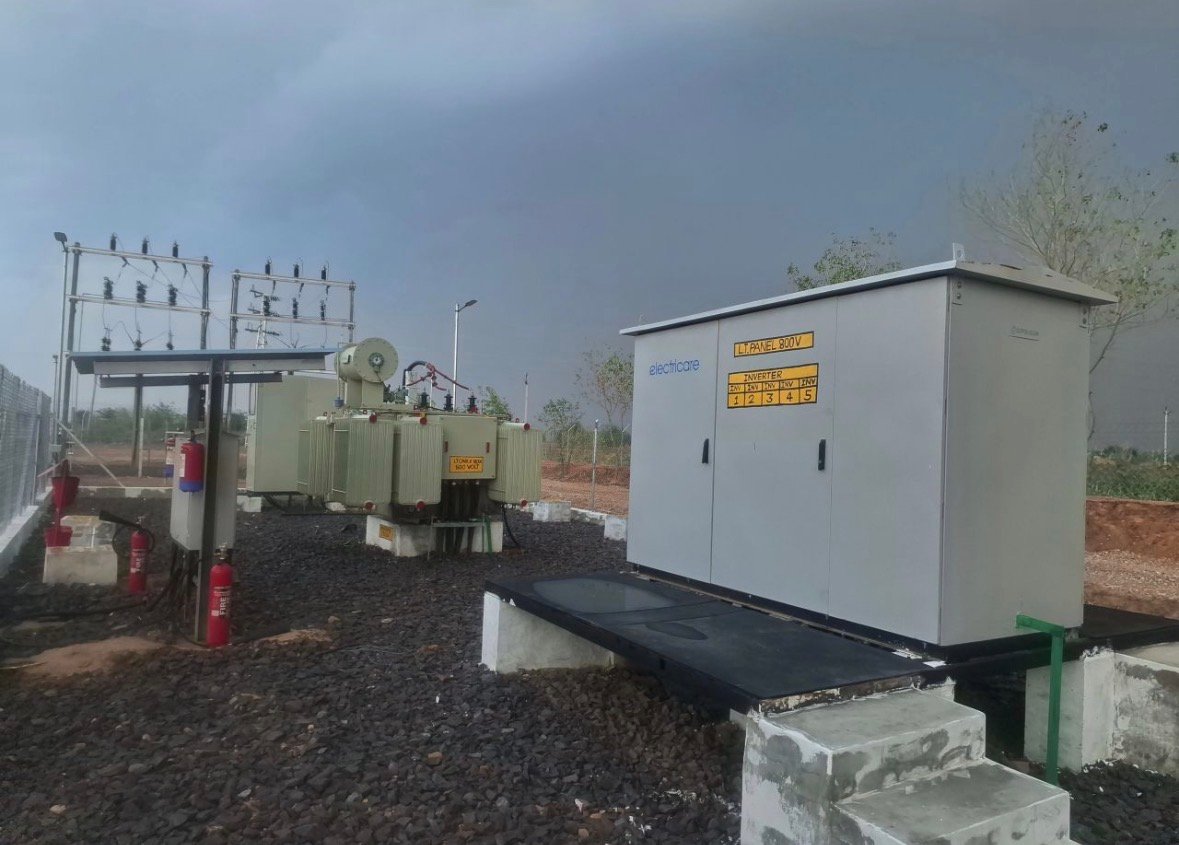
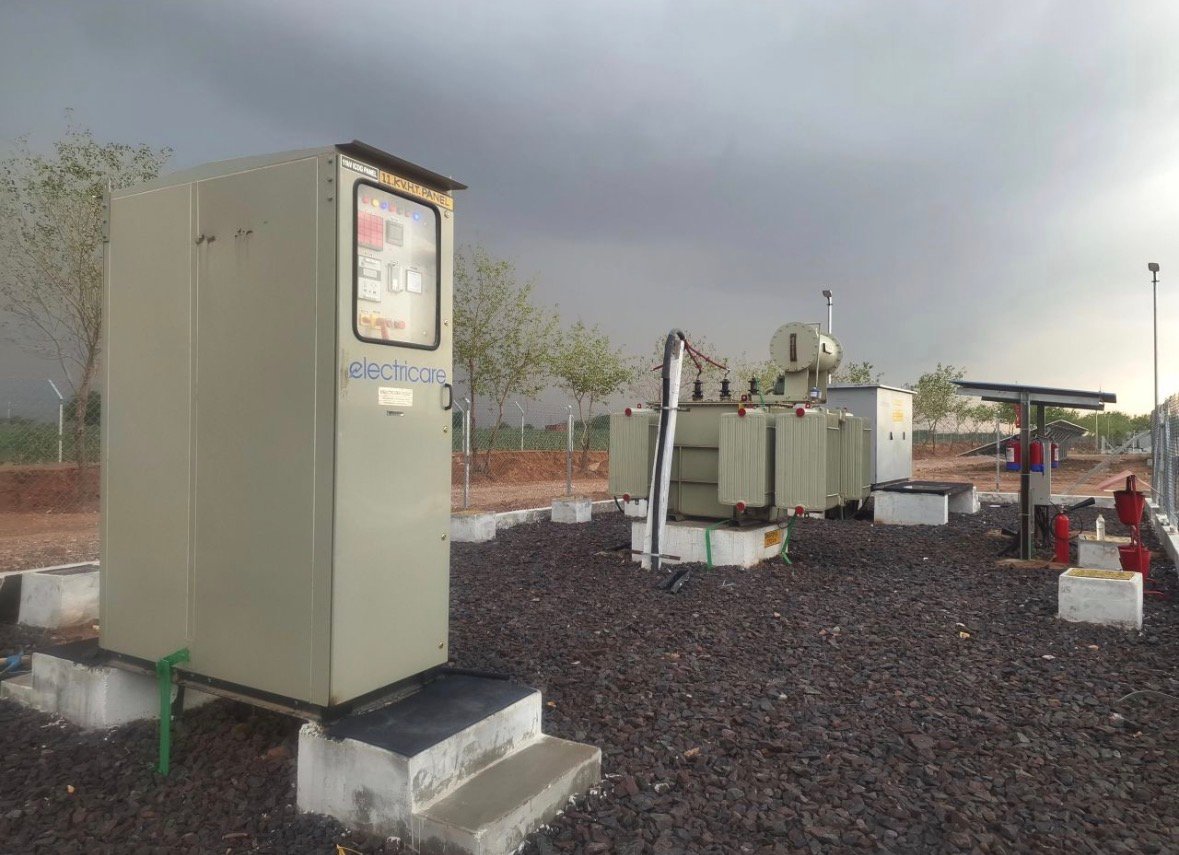
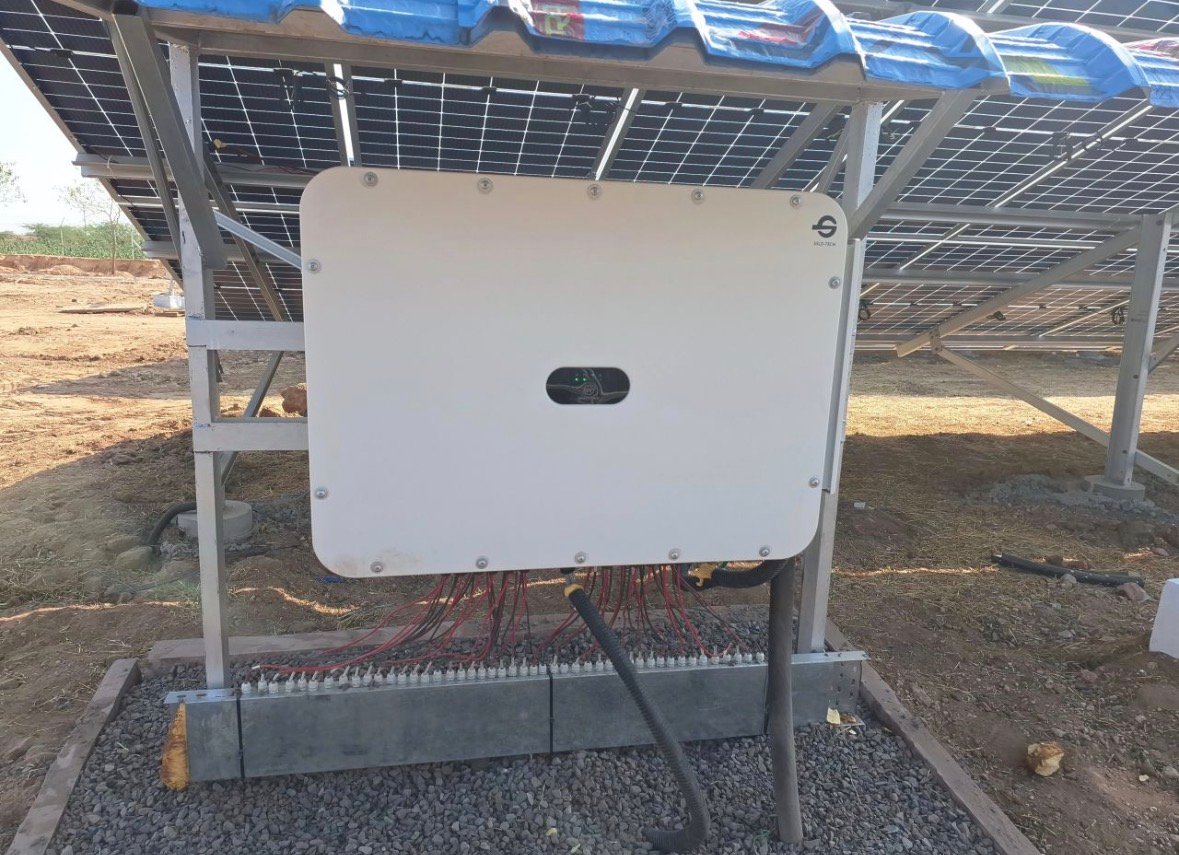
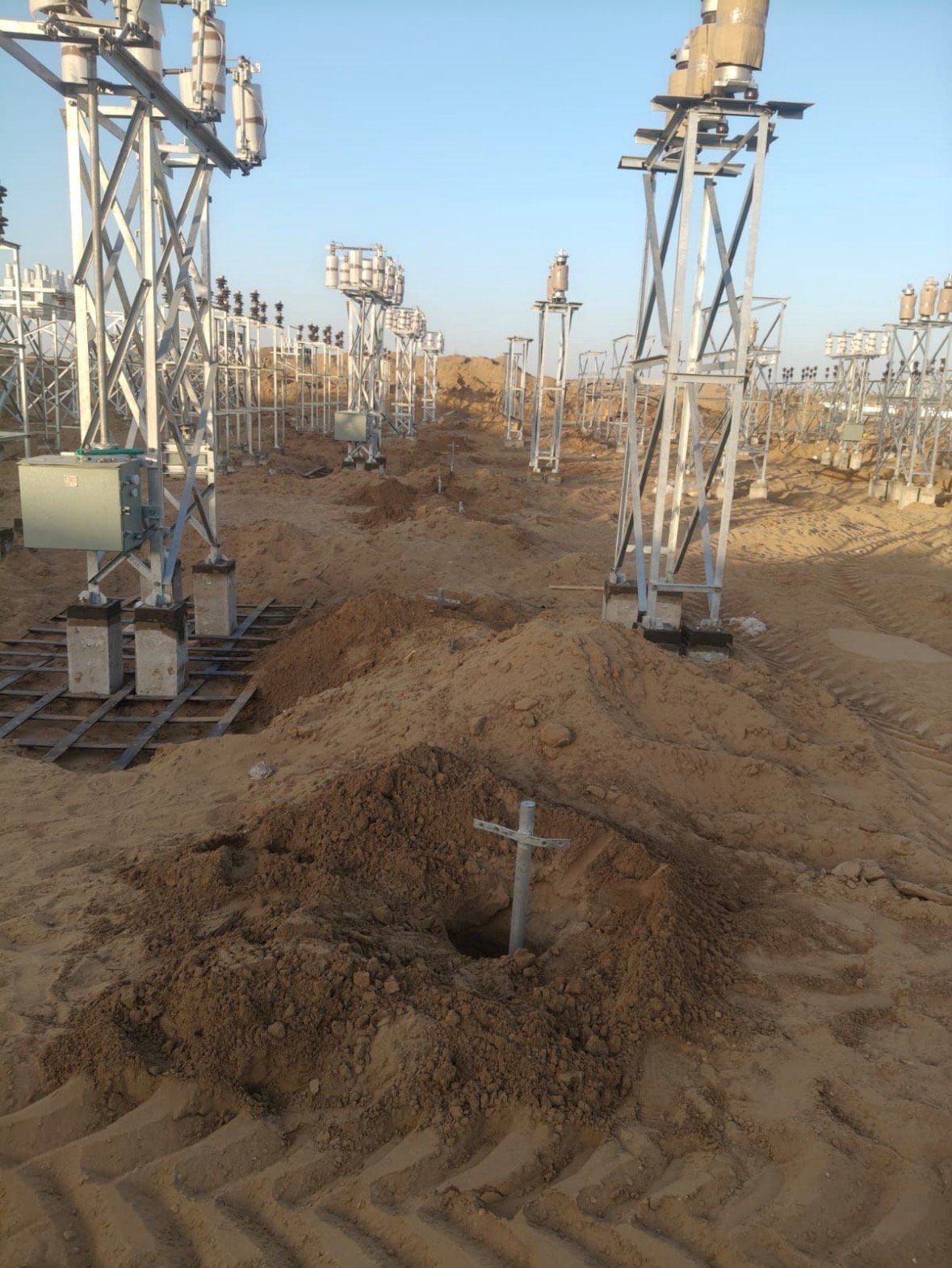
Photographs from our sites, and — separately — illustrative project profiles showing the capacity, model and siting decisions a typical industrial project turns on.
Roadmap · 2020 — 2026
From utility-scale construction to selling power in Punjab.
Six years of utility-scale delivery across five states, now turned towards one thing: supplying industrial power directly to private factories in Punjab.
350+ MWDelivered across utility-scale projects
6 statesRajasthan, Tamil Nadu, Gujarat, Maharashtra, Madhya Pradesh, Punjab
380 MWLargest park worked on — Neemba, Rajasthan
2026Punjab industrial power supply
2020Rajasthan
O2 Power
Neemba solar park — I&C delivery inside a 380 MW build
Our team’s first utility-scale delivery role: instrumentation and controls across a 75 MW AC and DC scope inside O2 Power’s 380 MW park at Neemba, Rajasthan.
EPC in our own name — 50+ industrial rooftop and ground-mount projects
The year the team stopped delivering only for other developers and began contracting directly with industrial clients: rooftop and ground-mounted plants for factories across Gujarat and Madhya Pradesh.
Selling industrial power to Punjab’s private factories
BPD Developer is building its own generation in Punjab and supplying factories directly, at a tariff below the state utility’s industrial rate. Current Punjab consumers under discussion and development include Raymond Pipe, HDG Pipe and KS Alloys.
Offer
₹4.40 / unit ex-busbar
Model
Group Captive & Open Access
Consumers
Raymond Pipe · HDG Pipe · KS Alloys
Status
In development
The 2020–2024 entries are projects our founder and core delivery team executed while in senior delivery roles at the developers named, not contracts held by BPD Developer From 2025 the work is contracted in BPD’s own name. Capacities state the scope our team held, and the park total where the scope sat inside a larger build.
Six shapes an industrial solar project takes in Punjab, and the single variable each one really turns on.
Forging unit
Group Captive, wheeled from a nearby district
Capacity
2.5 MWp
Model
Group Captive SPV
Siting
Ground mount
Turns on
Evacuation headroom
Textile & hosiery
Rooftop across three shed blocks under net metering
Capacity
800 kWp
Model
CAPEX
Siting
Rooftop
Turns on
Shed structure
Auto components
Zero-capex rooftop on a long-term PPA
Capacity
500 kWp
Model
RESCO / PPA
Siting
Rooftop
Turns on
Site occupancy
Steel & foundry
Open access supply against a continuous HT load
Capacity
5 MWp
Model
Open Access
Siting
Ground mount
Turns on
Banking terms
Food processing
Hybrid: rooftop for base load, open access for the balance
Capacity
350 kWp + 1.5 MWp
Model
CAPEX + Captive
Siting
Roof + ground
Turns on
Seasonal load
Multi-unit group
One SPV supplying several units of the same promoter group
Capacity
10 MWp
Model
Group Captive SPV
Siting
Ground mount
Turns on
Equity split
Representative project profiles illustrating typical capacity, model and siting decisions. Capacities are indicative of the segment, not a claim about a specific commissioned plant.
Evaluation
What we look at before proposing anything
Consumption. Twelve months of bills — units, maximum demand, tariff category, power factor and how much of the load actually runs in daylight.
Connection. Voltage level, sanctioned load, contract demand and the metering arrangement at your boundary.
Space. Usable roof area and shed condition, or land parcel, access and topography.
Grid. Distance to the nearest substation, evacuation headroom and the wheeling route your power would take.
Commercials. Charges in force under the current PSERC order, banking terms and applicable exemptions.
Intent. Whether you want to own the asset, claim depreciation, or simply buy cheaper units.
Your plant is the next profile.
Tell us the segment, the location and the load. We will tell you which of these shapes it fits.